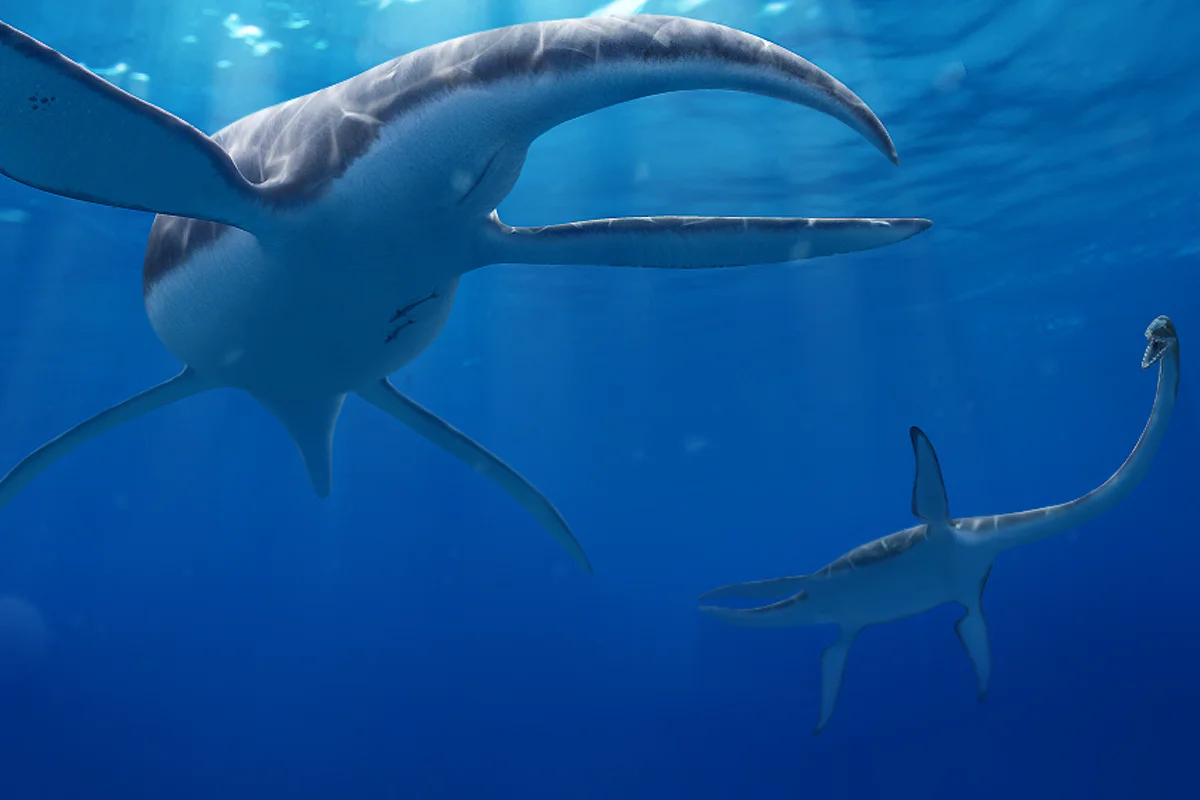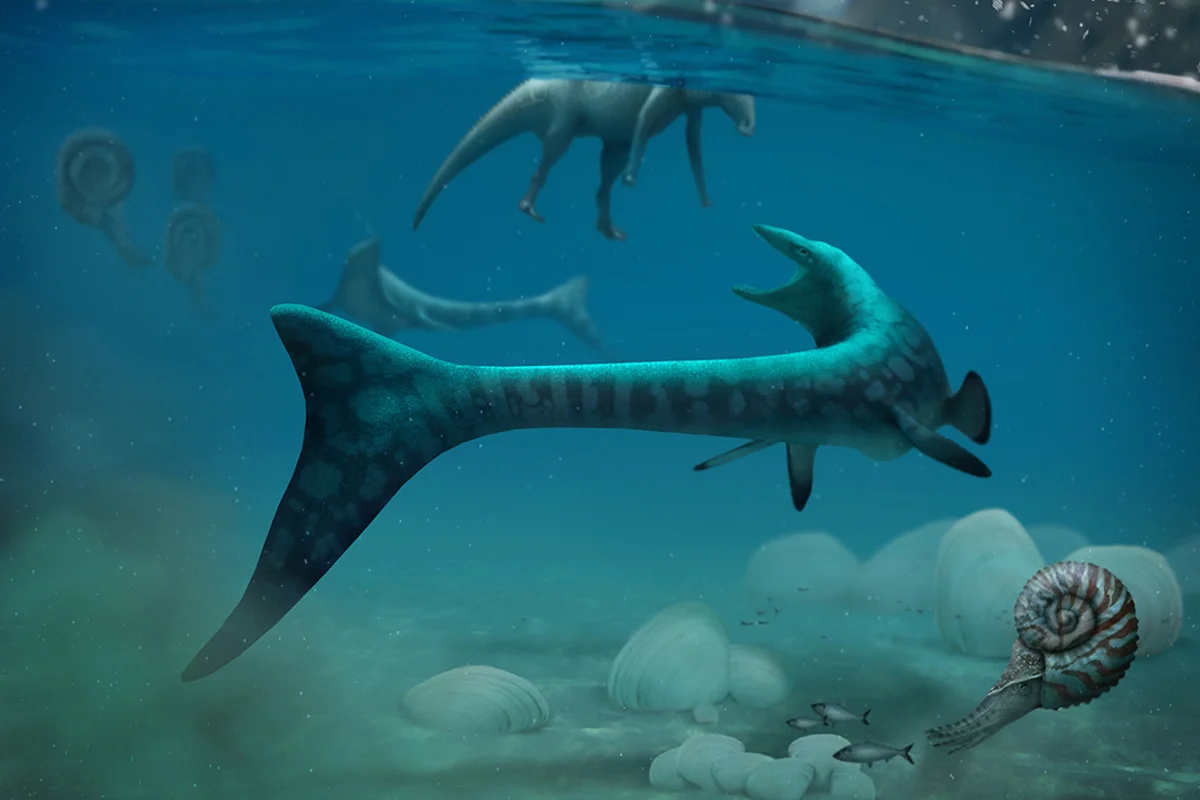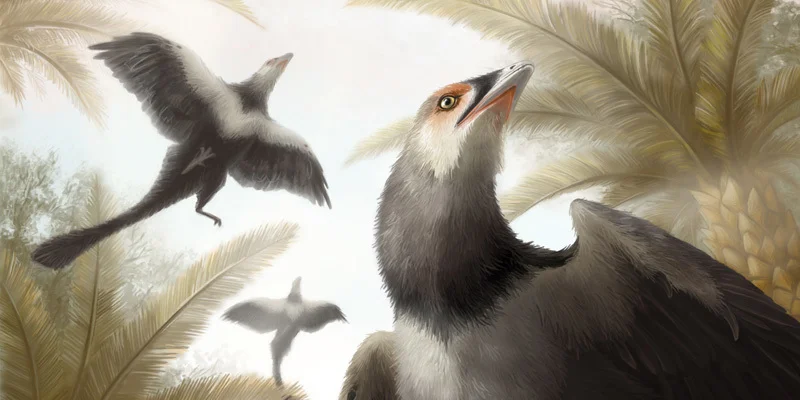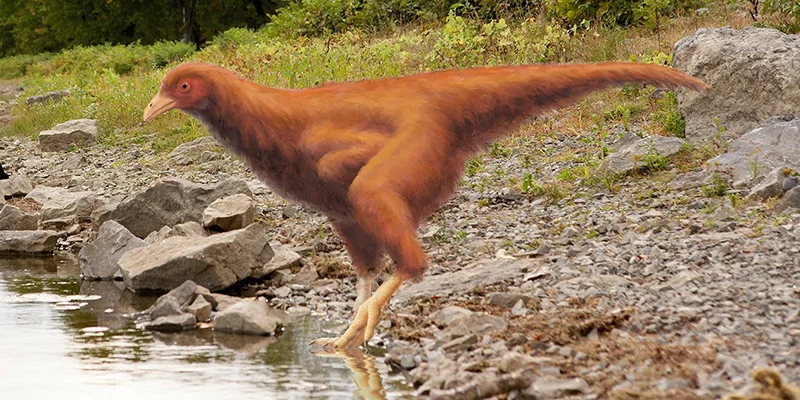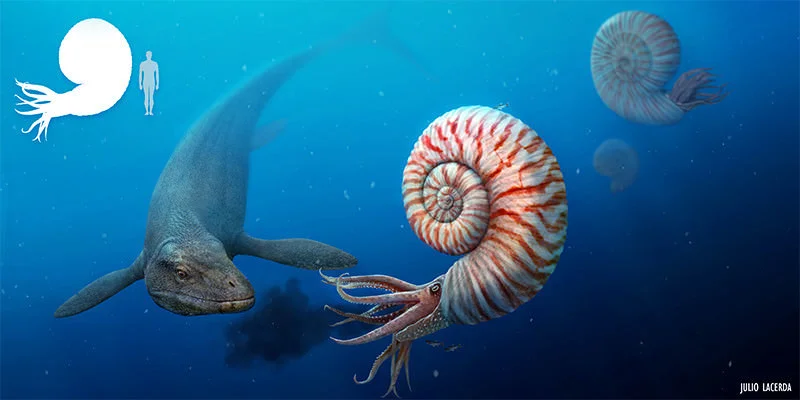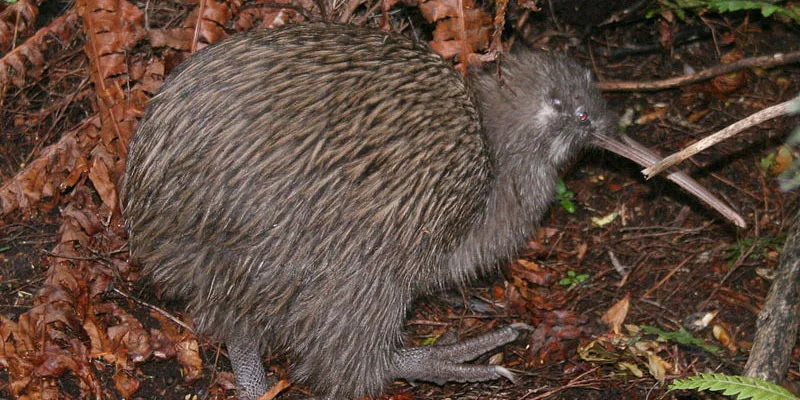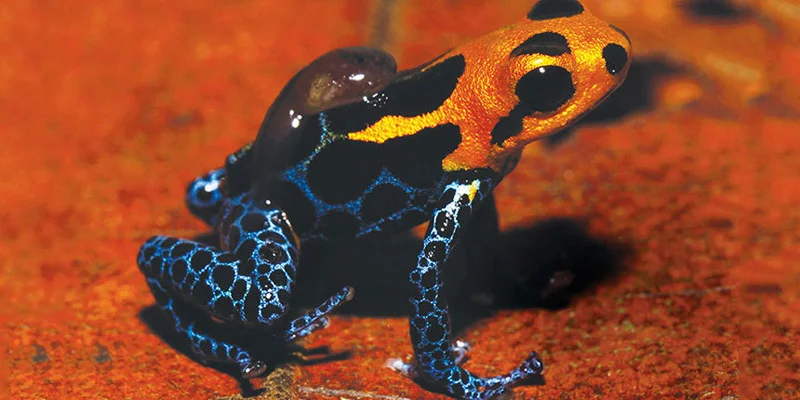

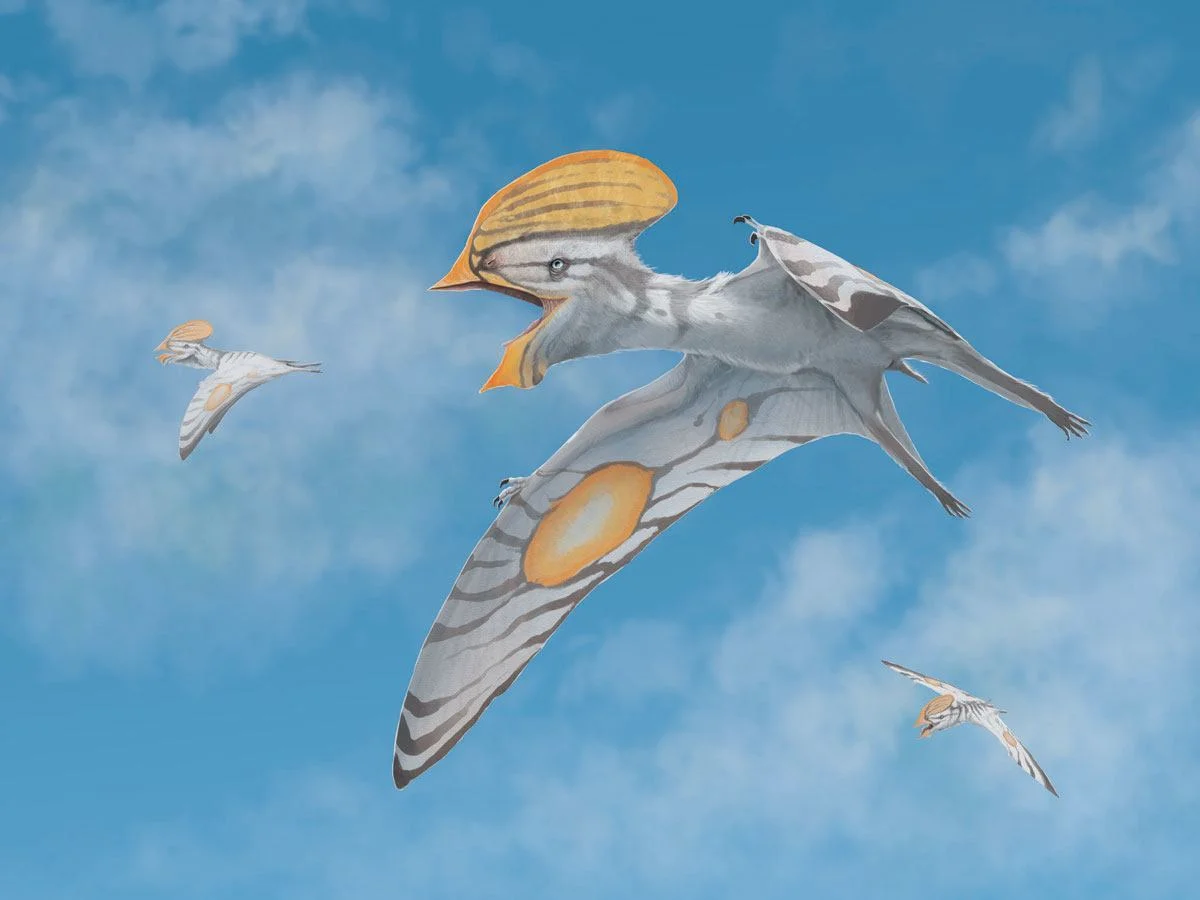
For more than 150 years, dinosaurs have played a notable part in popular culture. From Crystal Palace Park’s sculptures to The Lost World and the downright fictional Godzilla, the beasts evoked a sense of awe comparable to that of dragons in medieval lore. Nowadays, major franchises that feature animals and creatures feel incomplete without dinosaurs or dinosaur look-alikes. As they penetrate deeper into the entertainment business, more dinosaurs are discovered by palaeontologists and adapted to our contemporary bestiary. Commonly, various non-dinosaurian extinct creatures also share the same stage, lumped together with and marketed as dinosaurs to the disgruntled groans of paleonerds worldwide. To clear the misconception, we need to first figure out — what is a dinosaur?
Dinosauria is a term coined by Richard Owen in 1842 to refer to three extinct creatures he thought belonged to a previously undescribed category of animals: Iguanodon, Megalosaurus, and Hylaeosaurus. Although the word itself is a combination of the Greek word deinos (terrible) and sauros (lizard), dinosaurs aren’t closely related to lizards — something that Owen wasn’t aware of at the time. In fact, early reconstructions of Iguanodon depicted the animal as a super-sized iguana, hence its name, ”iguana tooth”. Unfortunately, the convention of scientific naming states that names are not to be changed unless the species is transferred to a different genus, and thus we are left with plenty of misleading, confusing names that scientists assigned them before their true identity was unmasked.
Now that we are aware of what dinosaur means, it’s time to dig into the basic classification of dinosaurs. In 1888, Harry Seeley classified dinosaurs into two distinctive groups based on the shape of their hips. One is called Ornithischia (bird-hipped), and the other Saurischia (lizard-hipped).
The beaked, exclusively herbivorous Ornithischia is further divided into three big groups. The armored Ankylosaurus and plate-laden Stegosaurus are collectively called Thyreophora (shield bearers); Triceratops and other horned ceratopsians alongside their close relative, the thick-headed Pachycephalosaurus, fall under Marginocephalia (fringed heads); and the final one called Ornithopoda (bird feet) is comprised of large herbivores which lived in big herds, like Iguanodon, Maiasaura, and Parasaurolophus.
Meanwhile, the lizard-hipped Saurischia can be split up into Sauropodomorpha and Theropoda. The mouthful Sauropodomorpha is known for long-necked, thundering giants such as Diplodocus and Brachiosaurus; while the bipedal, mostly carnivorous Theropoda contains the Hollywood stars Tyrannosaurus, Spinosaurus, Velociraptor, and ironically, birds. At this point it is clear that human-assigned names are not a very good indicator of an animal’s place in the evolutionary tree.
by Fabrizio De Rossi