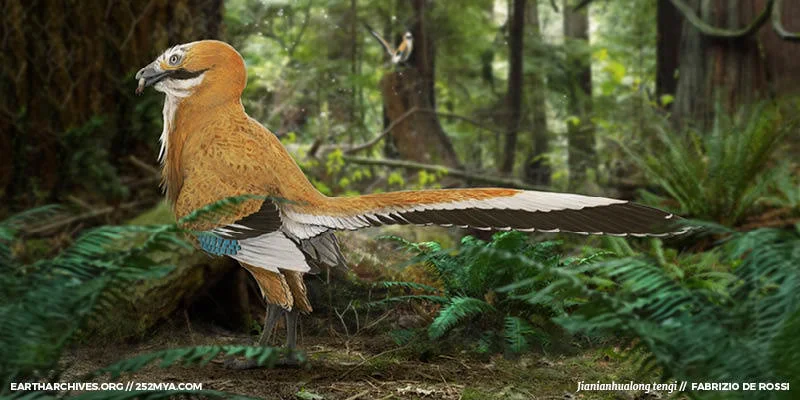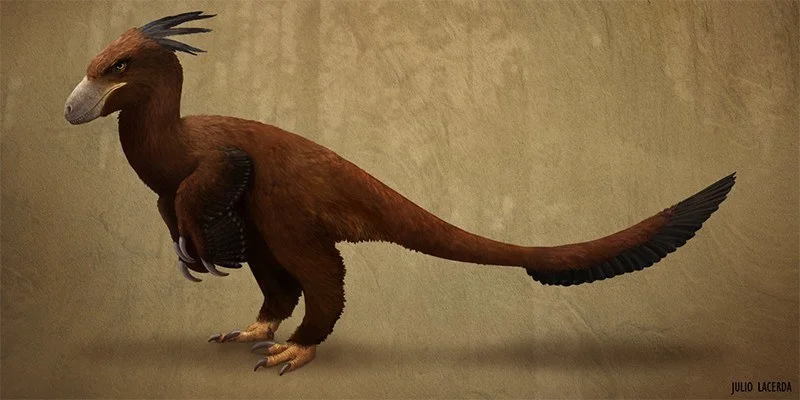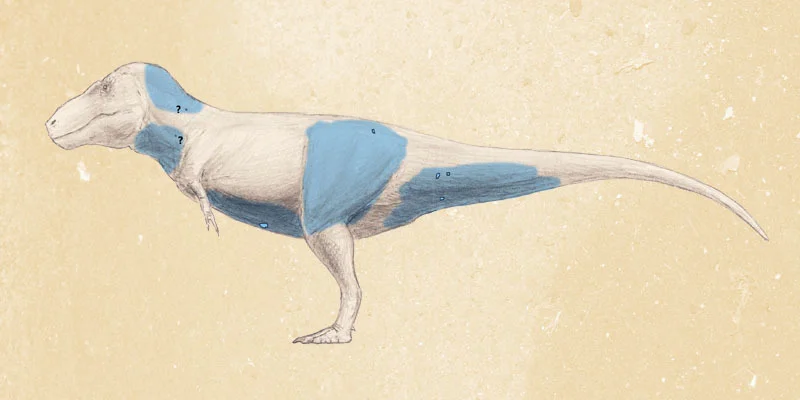

"Dinosaur” was a word created in the 19th century to define three seemingly monstruous creatures that had recently been unearthed in England. Iguanodon, Megalosaurus and Hylaeosaurus were enormous and different than anything found alive today. These huge reptiles were at first thought to be very big lizards, and were depicted as lumbering, dim-witted and slow-moving beasts. That idea persisted for decades, even though more and more species were being uncovered.
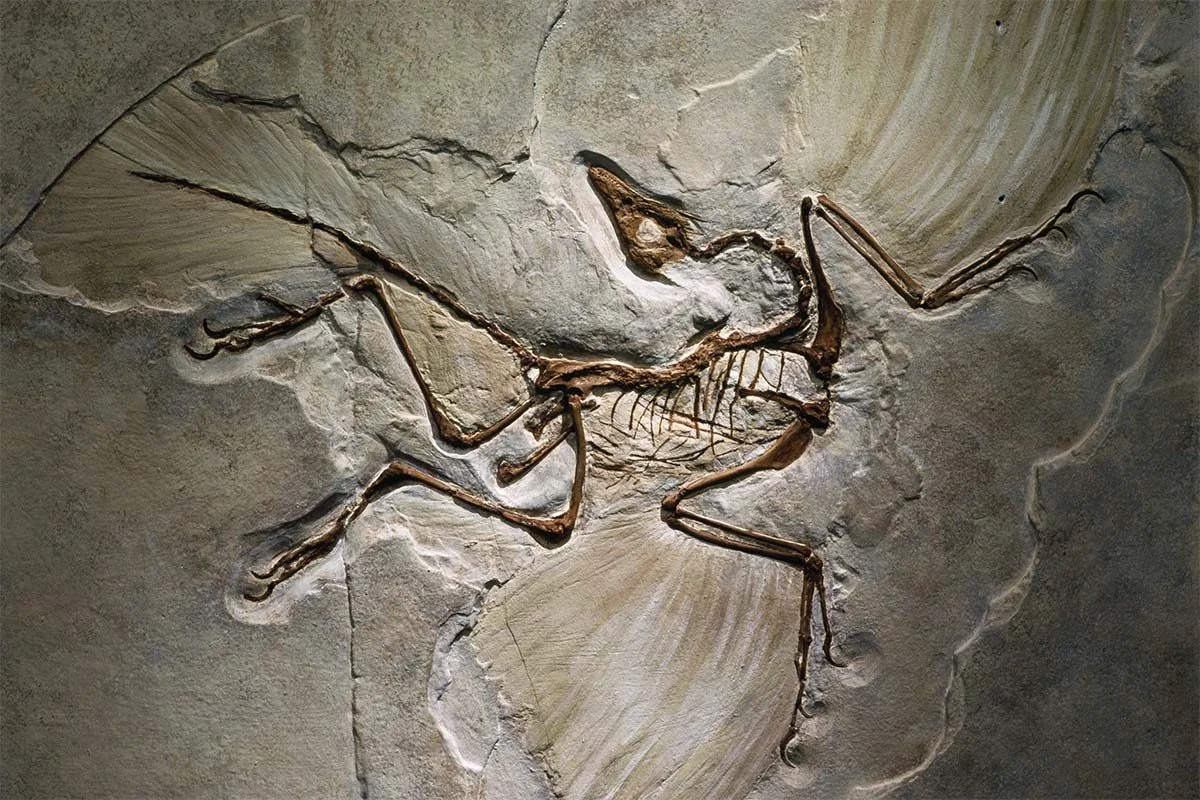
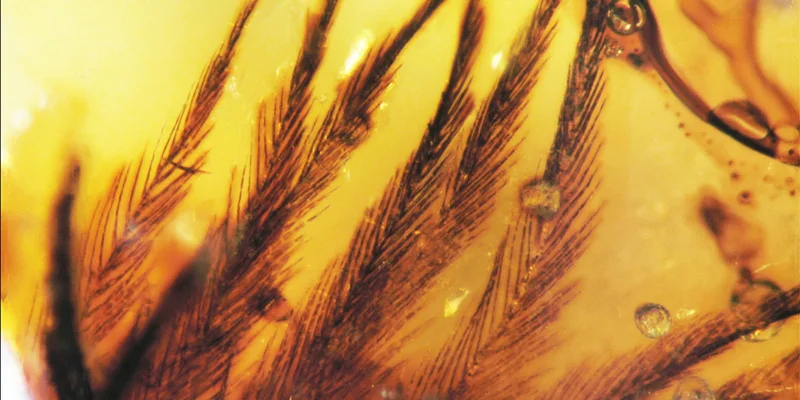
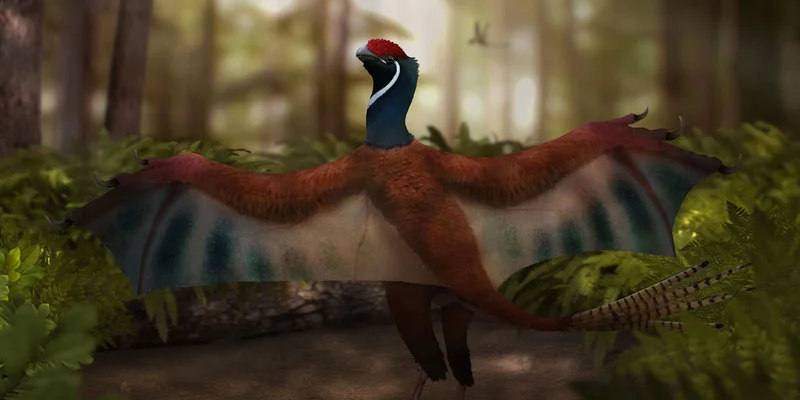
The discovery of a single feather became the first step in the direction of a modern view of dinosaurs and their relationship with birds. In 1861, Archaeopteryx was first described based on a feather found in Germany by paleontologist Hermann von Meyer. But the first skeleton of this “early bird” was found later in the same year. It was a lightweight winged animal with teeth, clawed hands, a long bony tail, bones that were hollow and with feathers all over its body. This mix of avian and reptilian features made some people suggest that Archaeopteryx was something transitional, but its relationship to the dinosaurs wasn’t widely accepted until later.