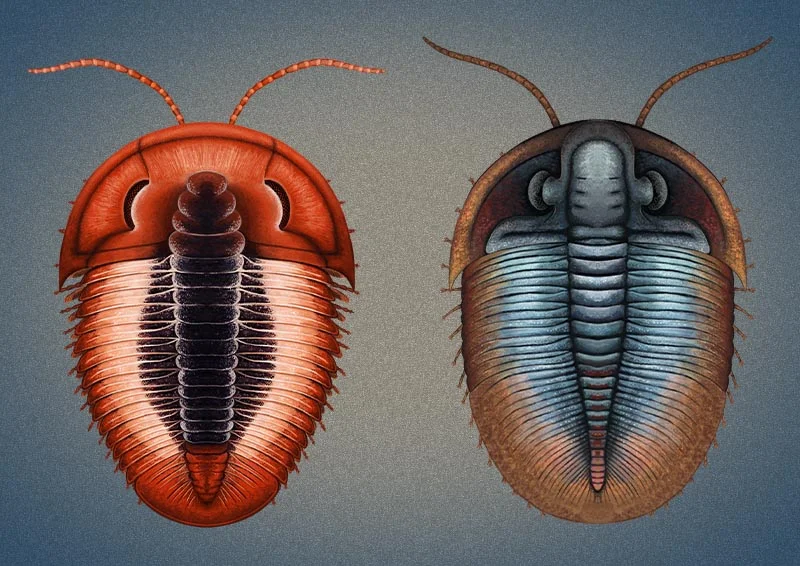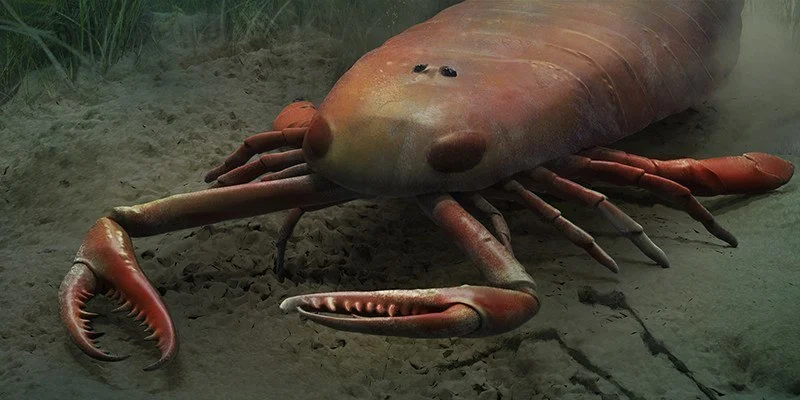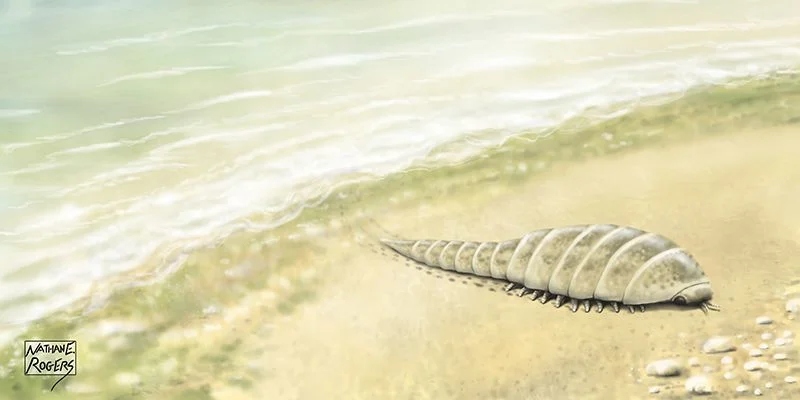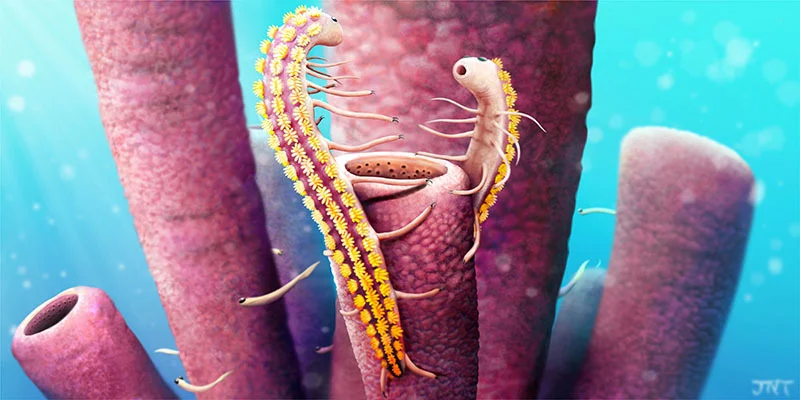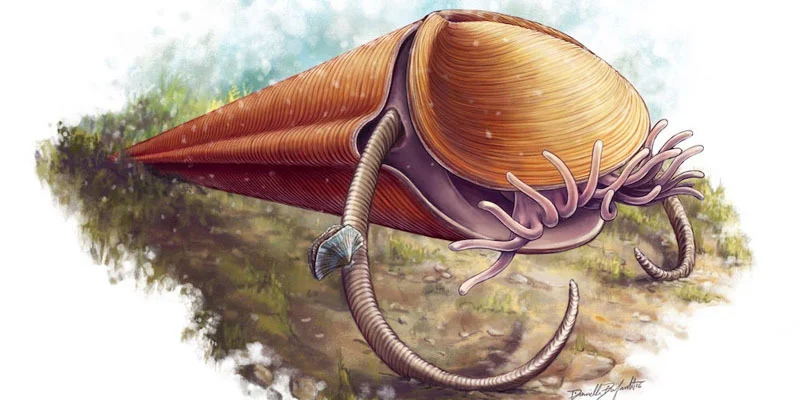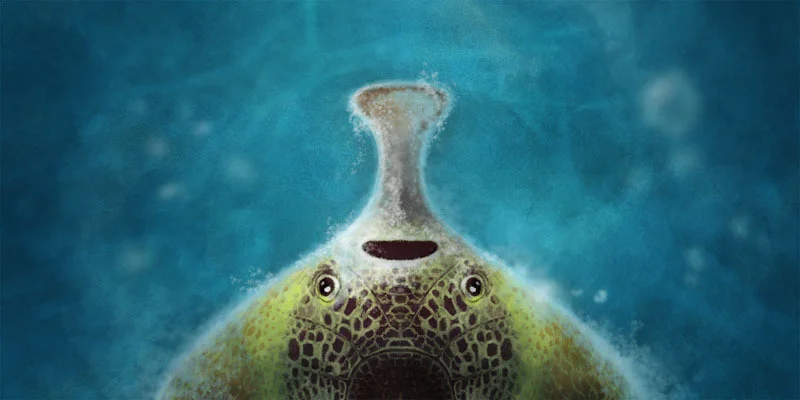

The fossils of small segmented animals had been known to humans for centuries, but for most of that time, no one was really sure what they actually were. Their durable armored exoskeleton and habit of moulting ensured that they were easily fossilized and discovered by people hundreds of millions of years later. Some Native American people used Elrathia fossils as amulets and back in 1679 the first scientist to study Ogygiocarella thought it was a flatfish skeleton.
Throughout the 18th century, many new fossil species were discovered, confounding scientists about their identities. Their segmented bodies and compound eyes reminded scientists of insects and crustaceans, offering clues to their true identity. By the dawn of the 19th century, these fossils, now known as trilobites, were considered to be quite like crustaceans, but not exactly. They were unique among known animals with no living examples.
Over time it became apparent to paleontologists that the trilobites were true masters of the Earth’s primordial oceans, reigning for hundreds of millions of years. More than 25,000 fossil species have been named from all over the world, each one with unique anatomical adaptations for a particular role in the environment, from the seafloor to the surf, and everywhere in between.