
Today, Mexico is filled with unique natural wonders. From bone-dry deserts in the north to sprawling rainforests in the south and mountains in between, it covers more than 1.9 million square kilometers of diverse country. Mexico is on top of biodiversity lists, along with places like Indonesia and Brazil. And just like the rest of North America, Mexico had its own dinosaur fauna.
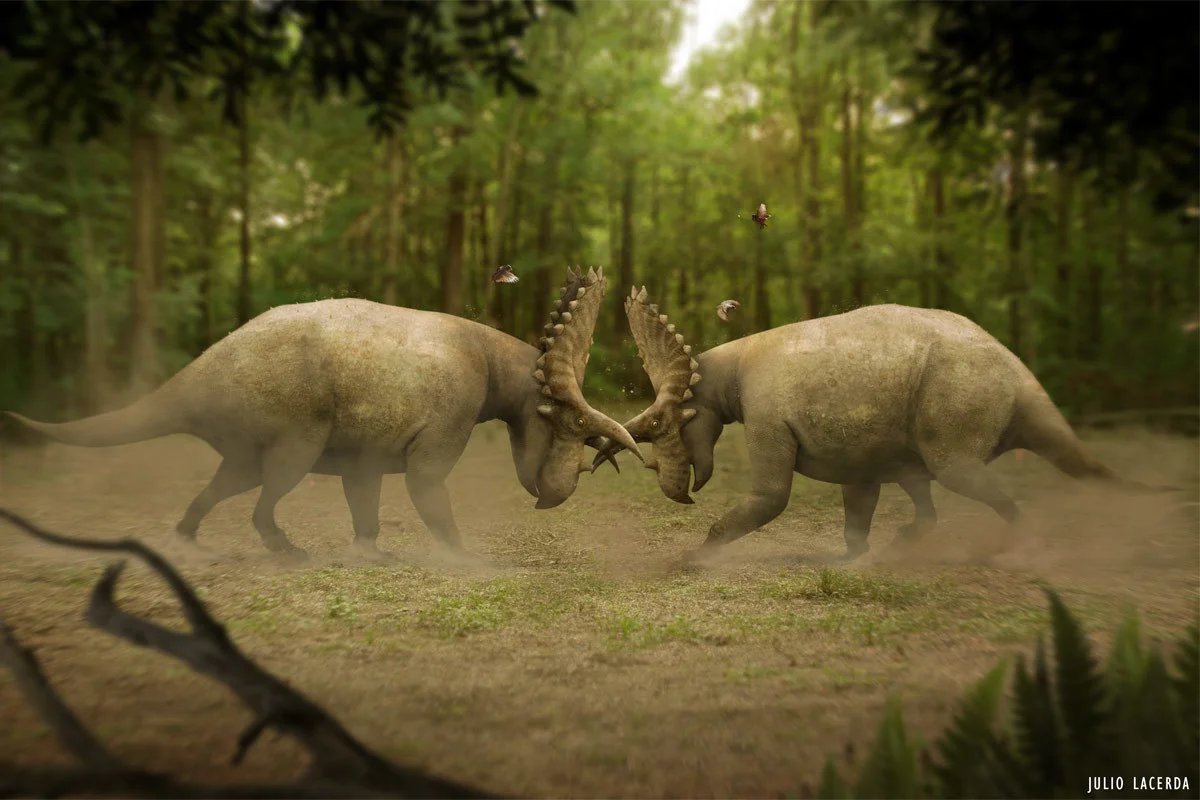
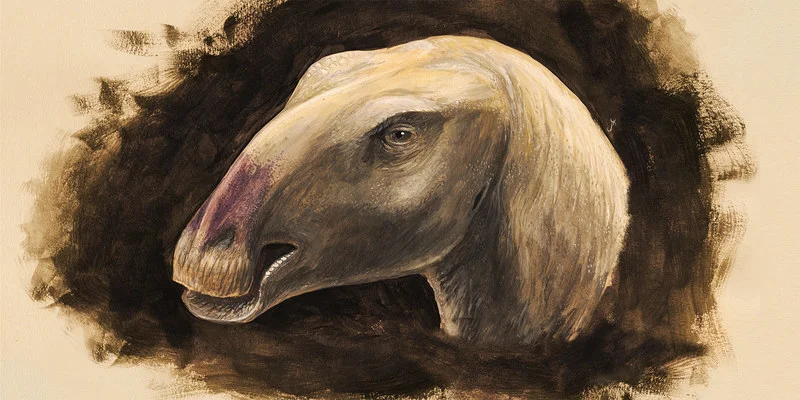
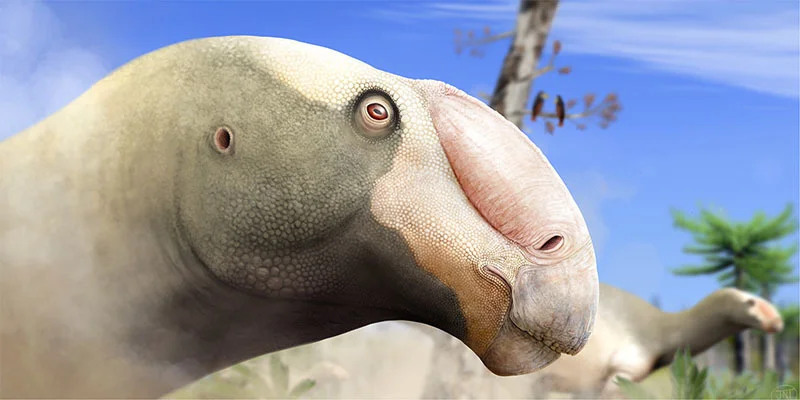
We often associate the western United States and Canada with the best dinosaur remains but Mexico has been no slouch when it comes to unveiling its buried Mesozoic past. A whole range of beasts made their living here, including gigantic horned dinosaurs, fast-running birdlike creatures and some of the biggest duckbill dinosaurs ever. The country’s first dinosaur remains consisted of horned dinosaur bones and since then, fossils have been uncovered in several Mexican states.
The majority of these come from the Late Cretaceous period, ranging from 85.3 to 72 million years ago. Many of these fossils were quite fragmentary and could not be described scientifically while others are much more complete. Among the best dinosaur-bearing rock formations here are the La Bocana Roja and El Gallo of northern Baja California, and the Cerro del Pueblo Formation of the State of Coahuila.
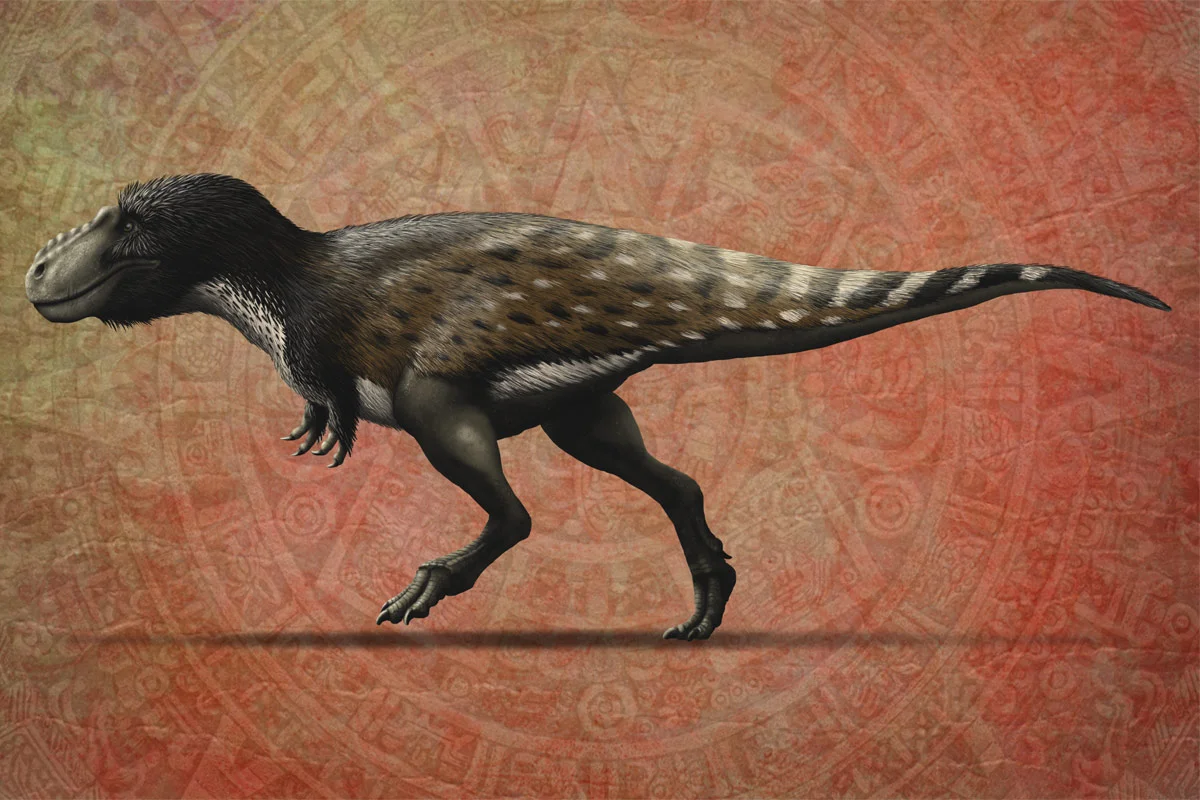
The apex predators here, just like in the rest of the continent, were the famous tyrannosaurs. Here, unlike up north, there was a mix of both evolutionarily derived tyrant dinosaurs and those showing ancestral features. The best-known and most complete of these animals is the medium-sized Labocania. For a while, Labocania was very difficult to classify.
Labocania was named by Ralph Molnar in 1974 and the original fossil consisted of skull parts as well as teeth, leg bones and parts of the vertebrae. Molnar was, at the time, unable to properly classify the animal due to its fragmentary nature. Instead it was tyrannosaur worker Thomas Holtz who reassigned it to the basal tyrannosaurs in 2010. Besides this, not much is known about it. All we know is that Labocania was smaller than many other American tyrants, roughly 7 meters (23 feet) long and weighed 1.5 tons.